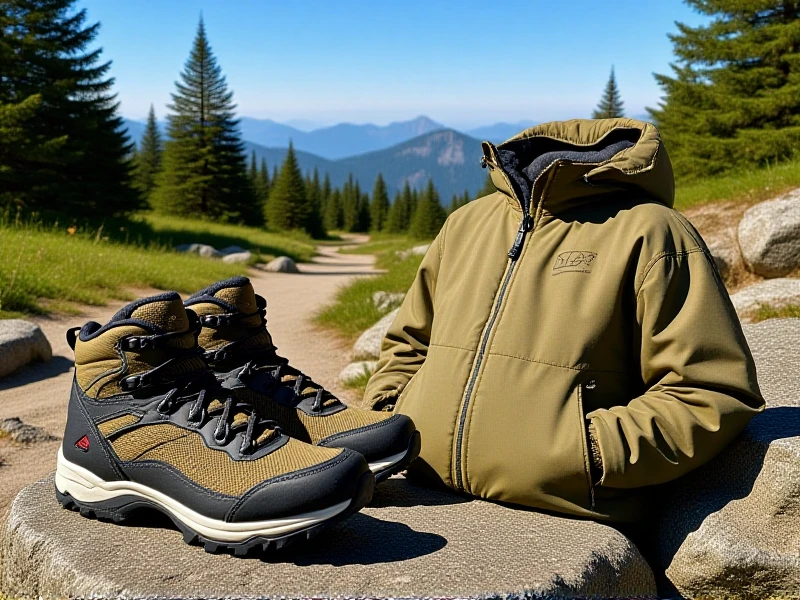
Choosing the Ideal Trail Shoe: Your Path to Conquering Any Terrain
Ready to trade pavement for the unpredictable beauty of the trail? Your regular running shoes won't cut it. Trail shoes are essential gear designed explicitly for the demands of dirt paths, rocky scrambles, muddy bogs, and root-covered inclines. They bridge the gap between standard running footwear and heavy hiking boots, offering agility, protection, and crucial grip.
The most vital feature distinguishing trail shoes is their outsole. Specifically designed lugs (the aggressive tread patterns) provide multi-directional traction, biting into soft ground and shedding mud quickly. Look for deeper, widely spaced lugs for technical terrain or mud, and shallower, tighter patterns for smoother trails and a touch more versatility on packed surfaces. The rubber compound matters too – stickier rubber offers superior grip on wet rock but wears down faster on pavement, while harder compounds last longer but compromise slightly on slick surfaces.
Protection is paramount. Trail shoes shield your feet from the elements and trail obstacles. A durable toe bumper guards against stubbed toes on rocks and roots. Equally important is underfoot protection. A rock plate is often integrated into the midsole – a thin, flexible shield dispersing sharp impacts from stones and uneven ground, preventing uncomfortable pressure points during long runs or hikes. For very rocky terrain, this feature is non-negotiable.
Stability and Support become crucial when navigating uneven ground. Lower stack heights (the cushioning thickness) enhance ground feel and stability. Some trail shoes feature strategically placed midsole elements or even external heel counters to minimize ankle roll on challenging descents. A secure and precise fit, especially through the midfoot, prevents unwanted movement and blisters. Look for features like gusseted tongues that keep debris out and reinforced heel collars for lock-down support.
Upper construction prioritizes durability and environmental defense. Breathable, tough meshes withstand abrasion from brush and rocks. Water-resistant options, or even waterproof membranes like Gore-Tex, are beneficial for wet conditions or creek crossings, though they reduce breathability in hot weather. Drainage ports also help shed water quickly.
Cushioning level is a personal preference dictated by comfort needs, terrain, and distance. Responsive, lower-profile cushioning delivers agility on technical descents. Generous cushioning absorbs impact over long miles and varied terrain. Consider the type of trails you frequent. Lightweight trail shoes excel for speed on well-maintained paths, while burlier options tackle rugged backcountry adventures.
Finally, proper fit is absolute. Your feet may swell on trails. Allow a little extra room in the toe box (about a thumb's width) while ensuring a snug, secure fit through the midfoot and heel. Try on trail shoes later in the day with the socks you intend to use. Test them on inclines if possible.
Your perfect trail shoe combines aggressive grip, dependable protection, secure fit, and the right cushioning for your adventures. Investing in the right pair ensures you move confidently across any trail, letting you focus securely on the breathtaking path ahead. Time to lace up and explore!