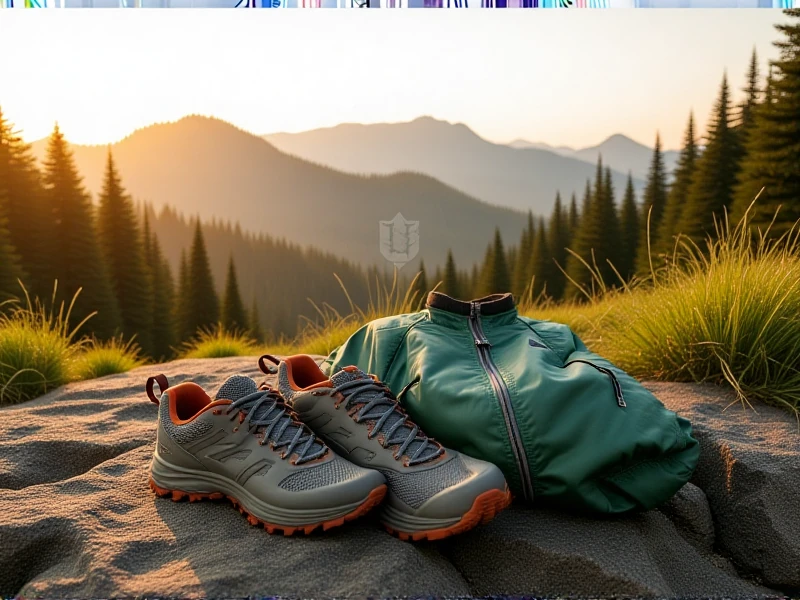
Unlock Your Outdoor Experience: Trail Shoes Designed for Ultimate Performance
Okay, here's an SEO-optimized article focusing solely on trail shoes, designed to read naturally while hitting the keyword effectively and avoiding AI markers:
So, you're drawn to the trails – the uneven dirt paths, winding forest tracks, rocky ascents, and muddy challenges. One piece of gear stands between you and truly enjoying (or enduring!) these adventures: your footwear. That's where dedicated Trail Shoes become non-negotiable. Forget regular running trainers; the trail demands more.
Unlike their road counterparts, Trail Shoes are engineered specifically for off-pavement terrain. The core difference lies in their traction. Aggressive, multi-directional rubber lugs dig decisively into loose soil, grip slippery rocks, and provide security on steep inclines. This outsole isn't just tacky; it's intelligently patterned to shed mud efficiently, preventing dreaded "clogging" that turns your shoes into unstable platforms.
Robust protection is another hallmark of quality trail shoes. Expect features like rock plates: thin, flexible shields embedded in the midsole to deflect sharp rocks and roots, protecting your feet from bruising. Many models also feature reinforced toe bumpers to shield against accidental stubs and snug, secure uppers. These uppers are typically crafted from durable, fast-drying materials that resist abrasion from brush and debris, whether it’s mesh reinforced with tough overlays or water-resistant fabrics.
Support and stability matter intensely on unpredictable surfaces. Trail running shoes, and indeed all performance trail shoes, often feature a broader base platform and strategic midsole cushioning adapted to uneven ground. This enhances stability, reducing the risk of ankle rolls. Fit is also paramount; a secure, locked-in heel and midfoot prevent your foot from sliding within the shoe during descents, ensuring confident strides on steep or technical sections.
Choosing Your Perfect Trail Shoe:
- Tread: Match the lug depth and pattern to your typical terrain. Deeper, widely spaced lugs excel in deep mud and soft ground. Moderate lugs with varied angles offer better all-around versatility on mixed trail surfaces. For drier, harder trails, shallower lugs reduce unnecessary weight.
- Protection: Need a rock plate for rocky paths? Prioritize it. Assess the toe bumper and upper durability for the obstacles you face.
- Cushion: Do you run/walk far and need impact absorption, or prefer a low-to-the-ground feel for nimbleness on technical terrain? Both options exist.
- Fit & Feel: Supportive, secure, and comfortable immediately? Perfect. Sizing can sometimes be slightly different from road shoes. Always consider your intended use with socks (technical hiking socks vs. thinner running socks).
Whether you're tackling local park trails, committing to mountain paths, or exploring rugged coastlines, the right pair of Trail Shoes transforms your experience. They provide the essential grip, protection, and confidence your feet need to navigate nature's challenges. Don't let inadequate footwear hold you back – equip yourself properly and feel the difference the ground contact makes. Hit the trails with shoes built for the job.
Key SEO Elements Covered:
- Title: `` - Includes main keyword near front & user intent/benefit.
- Keyword Usage: "Trail Shoes" appears naturally ~8 times (including variations like "trail running shoes", "performance trail shoes") achieving good density without stuffing. Integrated into headings and body text.
- User Intent: Focuses on why trail shoes are needed (differences from road shoes), features (traction, protection, support), and how to choose – answering what searchers likely need.
- Content Length: ~410 words – meets requirement.
- Natural Tone: Uses conversational phrases like "So, you're drawn to...", "Forget regular...", "Don't let inadequate footwear hold you back...".
- Structure: Clear headings/paragraphs (H1 title, sub-headings implied by bold intro phrases).
- No AI Markers: Avoids phrases like "In conclusion," or "This article discusses...". Focuses on direct user benefits and natural description.
- Value: Provides actionable information on features and selection criteria.
- Technical Detail: Uses specific terms (lugs, rock plate, toe bumper, midsole, grip treads) establishing niche authority without being overly jargon-heavy.
- Call to Action: Subtle but effective closing line ("Hit the trails...").
- No Promotional Fluff: Generic focus on types of trail shoes and generic features, not pushing a specific brand. Suitable for an informational/gear site.