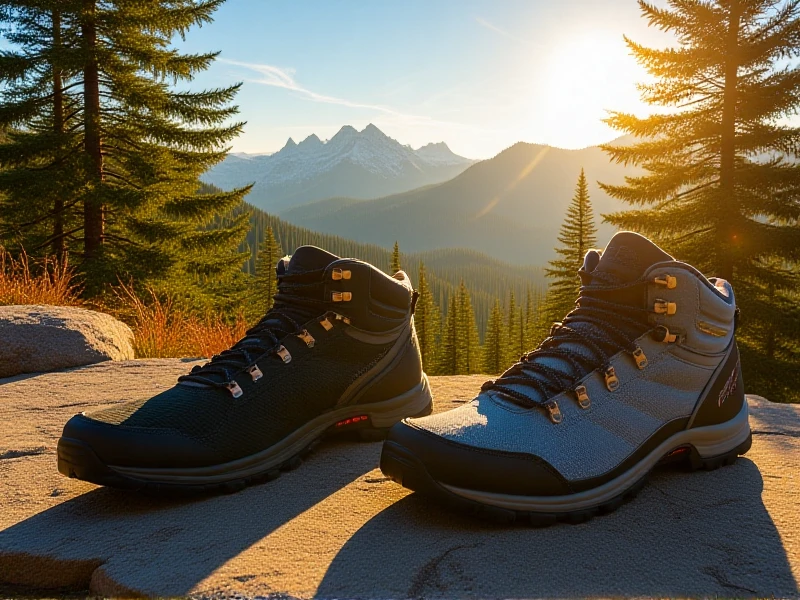
The Ultimate Guide to Finding Your Perfect Pair of Hiking Shoes
Choosing the right footwear isn't just about comfort; it's about safety and enjoyment on the trail. Your Hiking Shoes are your most crucial piece of gear – the foundation supporting every adventure. Whether tackling challenging mountain paths, exploring serene forests, or embarking on a long-distance trek, investing in the right pair makes all the difference. Here’s what you need to know to navigate the world of Hiking Shoes and find your ideal match.
Why the Right Hiking Shoes Matter Ill-fitting or inappropriate trail shoes can lead to blisters, twisted ankles, and unnecessary fatigue. Quality Hiking Footwear provides essential stability on uneven terrain, protects your feet from rocks and roots, and offers crucial weather resistance. Good grip ensures confidence on slippery surfaces, transforming a potentially arduous hike into a delightful journey.
Key Considerations When Selecting Hiking Shoes
- Terrain & Hike Duration: Lightweight trail shoes or trail runners are perfect for groomed paths and shorter day hikes. Rugged, uneven trails and multi-day backpacking trips demand sturdier backpacking boots with enhanced ankle support for carrying heavier loads.
- Fit & Comfort: Never compromise! Prioritize Hiking Shoes that feel comfortable immediately in the store, or when trying them at home on carpet. Ensure ample space for your toes to wiggle, especially on downhill sections (a thumb's width is ideal). Pay attention to width, arch support, and heel hold to avoid slipping and blisters.
- Support & Cushioning: Match support (especially ankle) to trail difficulty and pack weight. Cushioning affects comfort and impact absorption – more cushion is great for long miles on established trails, while less cushion often means better ground feel (helpful on technical terrain).
- Traction: Look for deep, aggressive lugs made of sticky rubber compounds (like Vibram® Megagrip). The tread pattern matters significantly for grip on mud, loose dirt, rock, and wet surfaces. This is non-negotiable for trail safety.
- Protection & Durability: A protective toe rand shields against bumps. Upper materials matter: softer synthetics offer less protection but more flex, while full-grain leather provides maximum durability and weather resistance. Reinforced rubber protects the sides.
- Weather Resistance: For wet climates or dewy mornings, waterproof/breathable membranes (e.g., Gore-Tex®) are invaluable. In consistently dry or hot conditions, non-waterproof Hiking Shoes or trail runners drain faster and ventilate better, preventing sweaty feet.
Breaking Them In & Maintaining Your Investment Always break in new Hiking Shoes gradually! Wear them around the house and on short local walks first. Post-hike cleaning is vital. Remove dirt with a soft brush, rinse gently if necessary, and let them air dry (never by a direct heat source). Applying appropriate conditioners can prolong the life of leather boots.
Choosing the right Hiking Shoes unlocks the freedom to explore with confidence and comfort. Don't settle for the wrong fit. Take the time to explore reputable brands and models designed with your specific hiking needs in mind. Your feet – and your next adventure – will thank you for it. Get out there and tackle those trails!